The Right Selection Matters More Than the Price
Many mineral processing projects fail not because the equipment is expensive,
but because the jig machine is poorly matched to the ore — leading to low recovery, unstable operation, and high operating costs.
Before purchasing a jig machine, make sure you understand the 5 key technical parameters below.
They directly determine your gold recovery rate and return on investment.
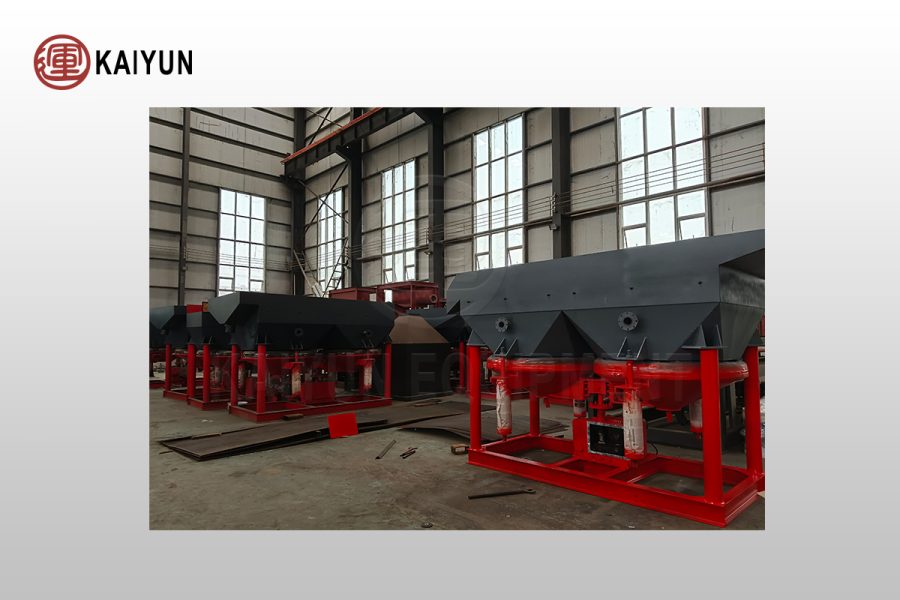
1. Feed Particle Size Range
Not every ore is suitable for direct jigging
Jig machines work best within a specific particle size range:
Typical range: 0.5 – 30 mm
Oversized particles → poor stratification
Too fine particles → valuable minerals lost with tailings
What this means for you:
You must confirm whether your material requires crushing or screening before jigging.
✅ We help you evaluate whether a jig machine is suitable for your ore.
2. Processing Capacity (t/h)
Bigger capacity does NOT always mean better performance
Common capacity ranges:
Small-scale mining: 1–5 t/h
Medium operations: 5–20 t/h
Industrial scale: 20+ t/h
⚠️ Operating a jig machine far above or below its rated capacity will reduce recovery efficiency and shorten equipment life.
Correct approach:
Select a model based on your actual production requirement, not future assumptions.
3. Stroke Length & Stroke Frequency
The core factors that control separation efficiency
The separation performance of a jig machine depends on:
Stroke length – vertical movement distance
Stroke frequency – strokes per minute
Different ores require different settings:
High-density minerals (gold, tin): stable stroke with adjustable frequency
Coarse particles: larger stroke length
Fine particles: higher stroke frequency
✅ Our jig machines feature adjustable stroke parameters to adapt to changing ore conditions.
4. Water Consumption & Water Pressure
A major factor in long-term operating cost
Jig machines rely on water flow for stratification and separation:
Insufficient water → poor separation
Excessive water → valuable mineral loss
Before selection, confirm:
Water consumption per hour
Water pressure requirements
Suitability for remote or water-limited mining sites
💡 Optional water recycling systems are available to reduce water usage and operating costs.
5. Machine Structure & Maintenance Cost
Determines how reliable and cost-effective your operation will be
Key components subject to wear include:
Screen plates
Valves and diaphragms
Bearings and drive system
Our design philosophy:
Simple, rugged structure
Easy maintenance and fast part replacement
Standardized wear parts for overseas projects
This ensures stable long-term operation with low downtime.
Why Choose Our Jig Machines?
✔ Multiple models for small, medium, and large mining projects
✔ Adjustable parameters for different ore types
✔ Stable operation and low maintenance cost
✔ Proven performance in gold, tin, manganese, and iron ore projects
Who Is This Equipment Best For?
New investors entering mineral processing
Mining plants upgrading or expanding capacity
African and international mining operations
Buyers focused on recovery efficiency, not just low price
Get the Right Jig Machine for Your Ore
Free Pre-Selection & Technical Support
To recommend the correct model, please share:
Mineral type
Feed particle size range
Target capacity (t/h)
Project location
📩 Contact us today to avoid costly selection mistakes.
A jig machine is not a plug-and-play solution.
Correct selection is the key to profitable mineral recovery.