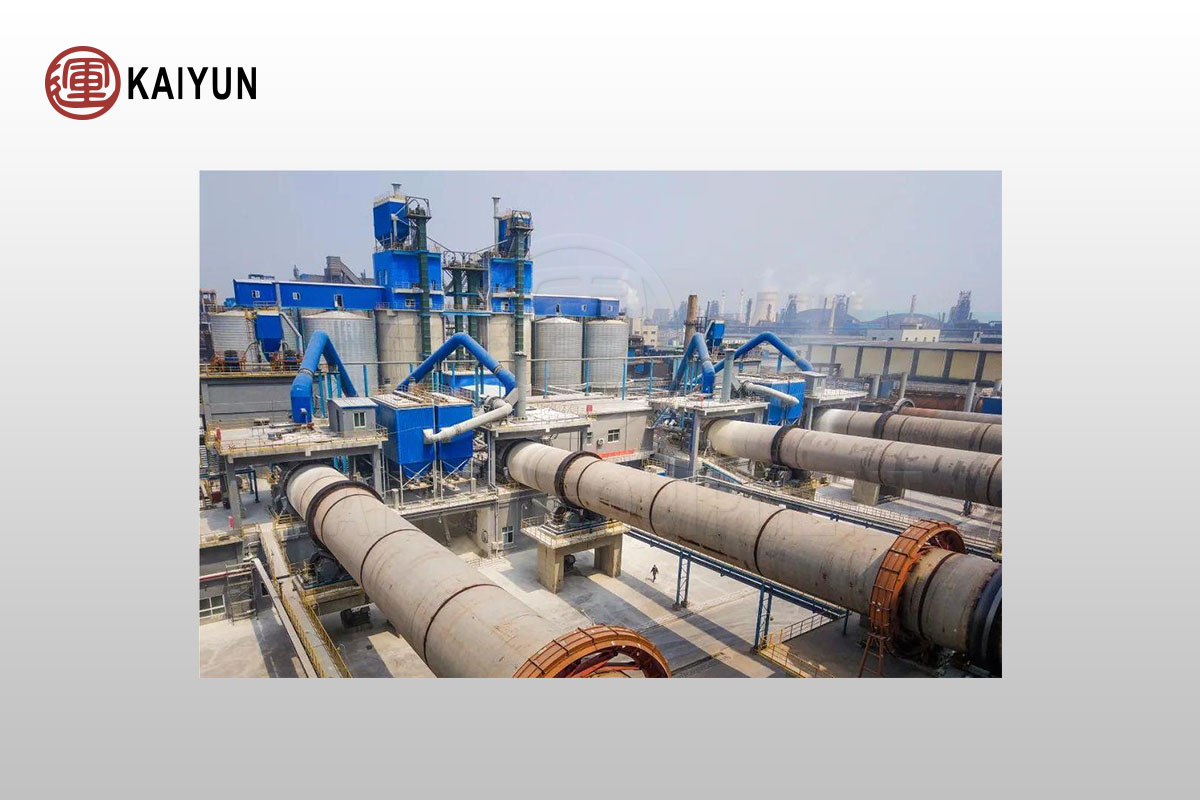
Gold Sulfide Roasting Process
Gold sulfide (Au₂S) roasting method is a high-temperature oxidation treatment method. Through high-temperature roasting, the sulfur element in the gold sulfide is converted into gaseous sulfur dioxide (SO₂), and the gold is converted into an extractable oxidized state or metallic gold. This process is mainly used for the pre-smelting treatment of gold sulfide ore or gold-containing sulfides.
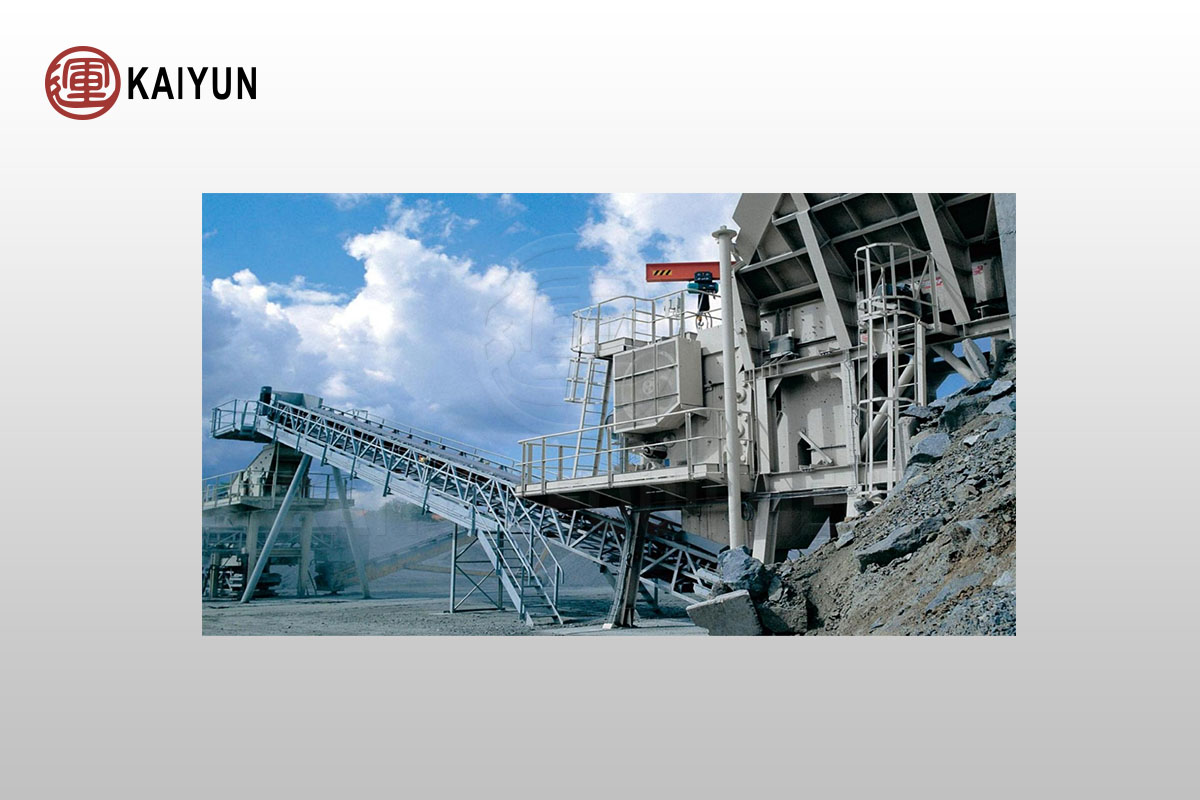
Management Specifications for Mineral Processing Flowsheets
The rationality of mineral processing flowsheets directly impacts production efficiency and must be formulated based on ore testing, production practices, and practical conditions.
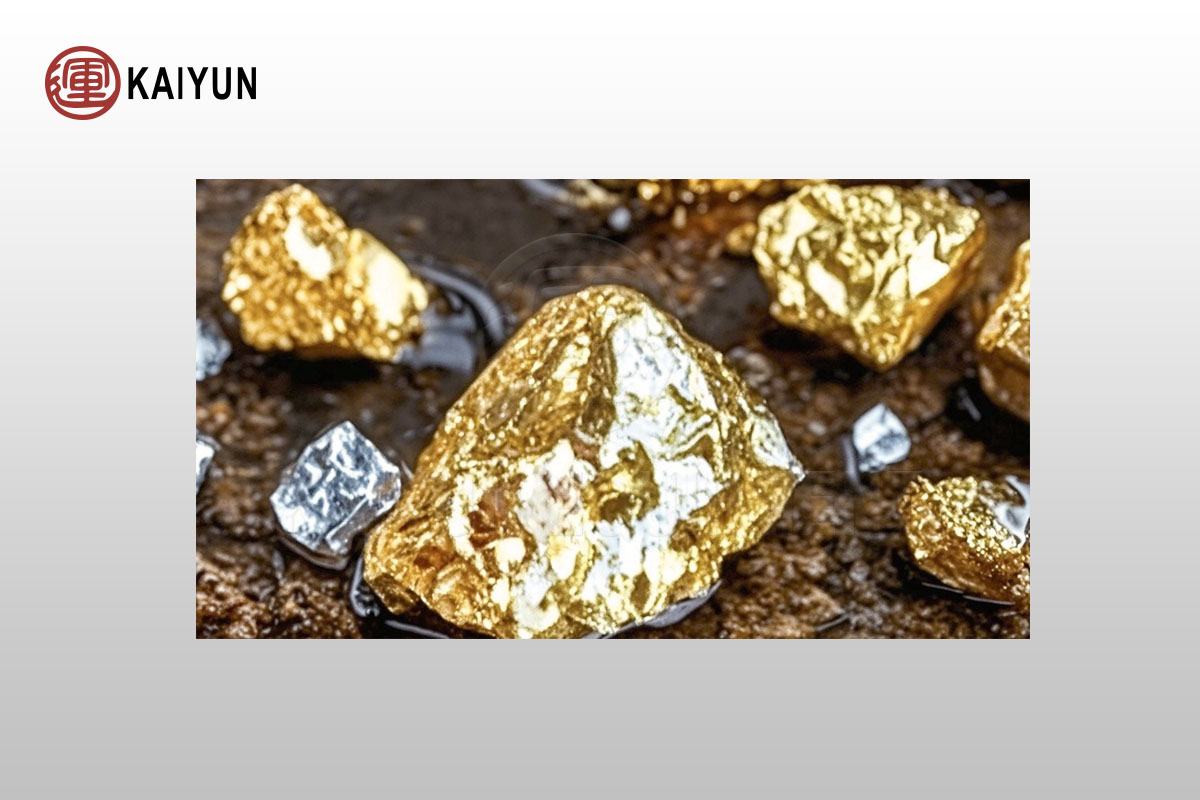
Gold Extraction from Carbon-in-Leaching (CIL) Process: The Key Steps from Ore to Gold Ingots
Gold extraction from carbon-in-leach (CIL) is an efficient gold extraction process that combines gold leaching with adsorption processes to reduce equipment and energy consumption and improve gold recovery.
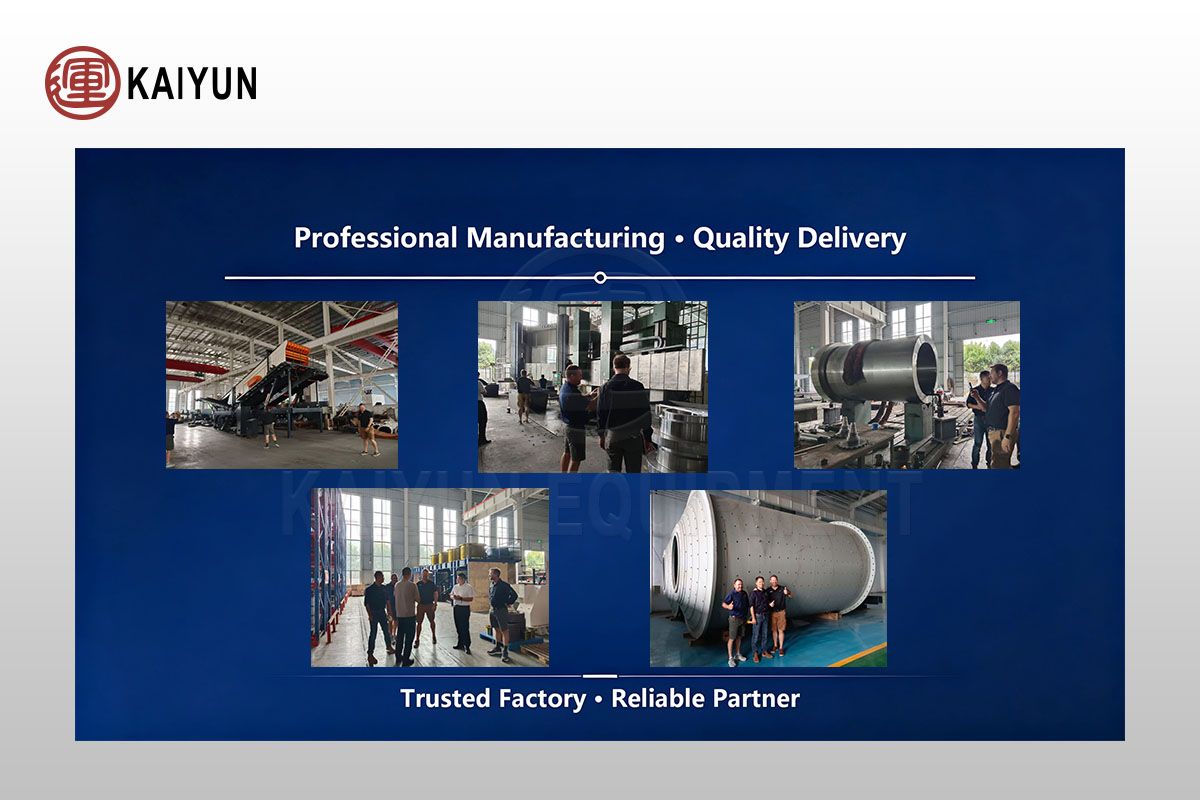
South African Client Visits Our Factory for Crushing and Mineral Processing Equipment Inspection
South African client visits our factory to inspect crushing and mineral processing equipment and discuss ore processing solutions, equipment selection and project requirements with our technical team.
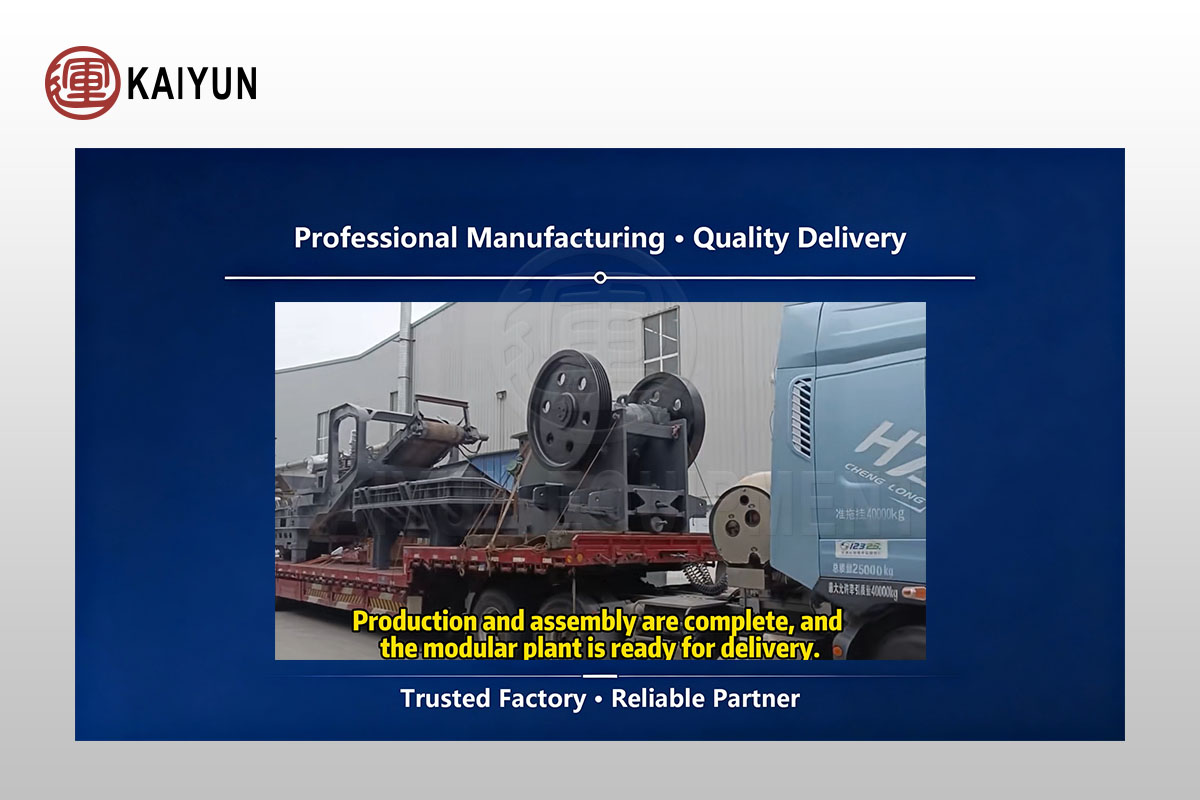
Modular Mining Plant Ready for Shipment: Efficient, Flexible and Customized Solutions
A modular mining plant has completed factory assembly and inspection and is ready for shipment. Customized mineral processing equipment and solutions are available.
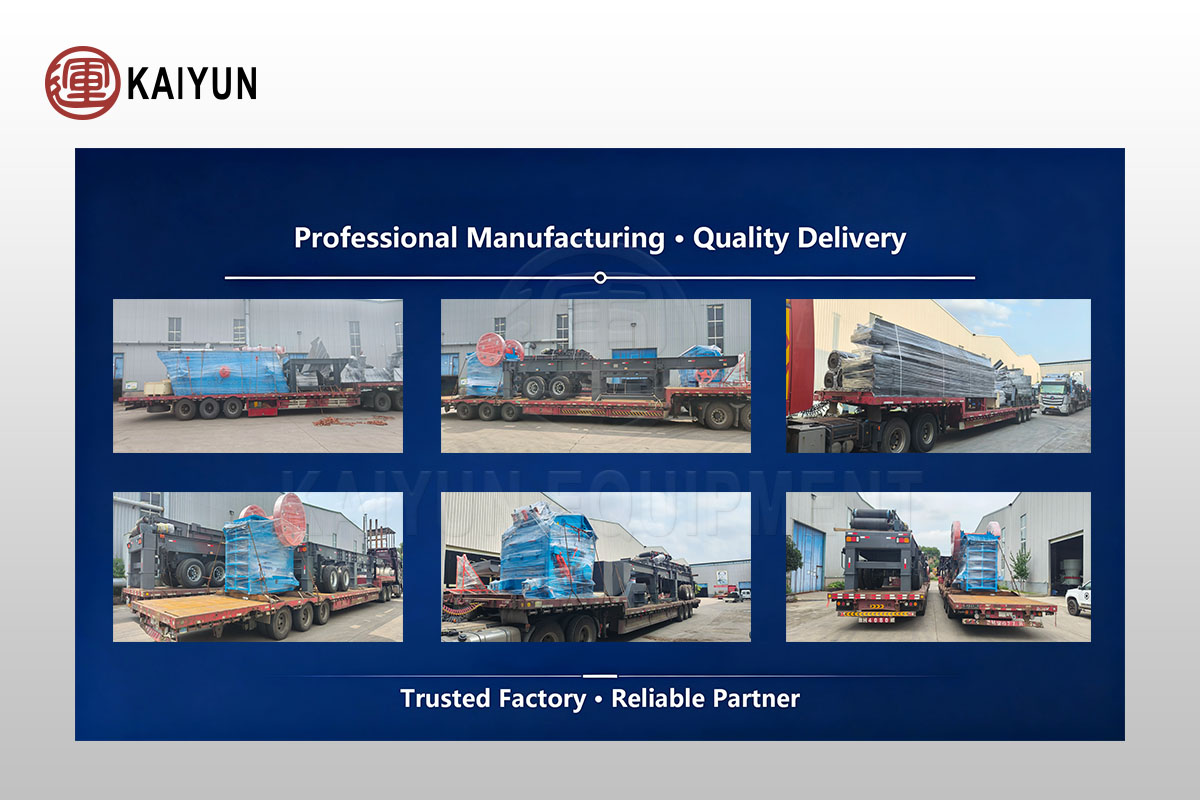
200TPH Mobile Crushing Plant Ready for Mongolia: Efficient Crushing Solution Delivered for Mining Operations
A 200TPH mobile crushing plant has been completed and prepared for shipment to Mongolia. We provide customized mobile crushers and complete crushing solutions for mining and aggregate projects worldwide.
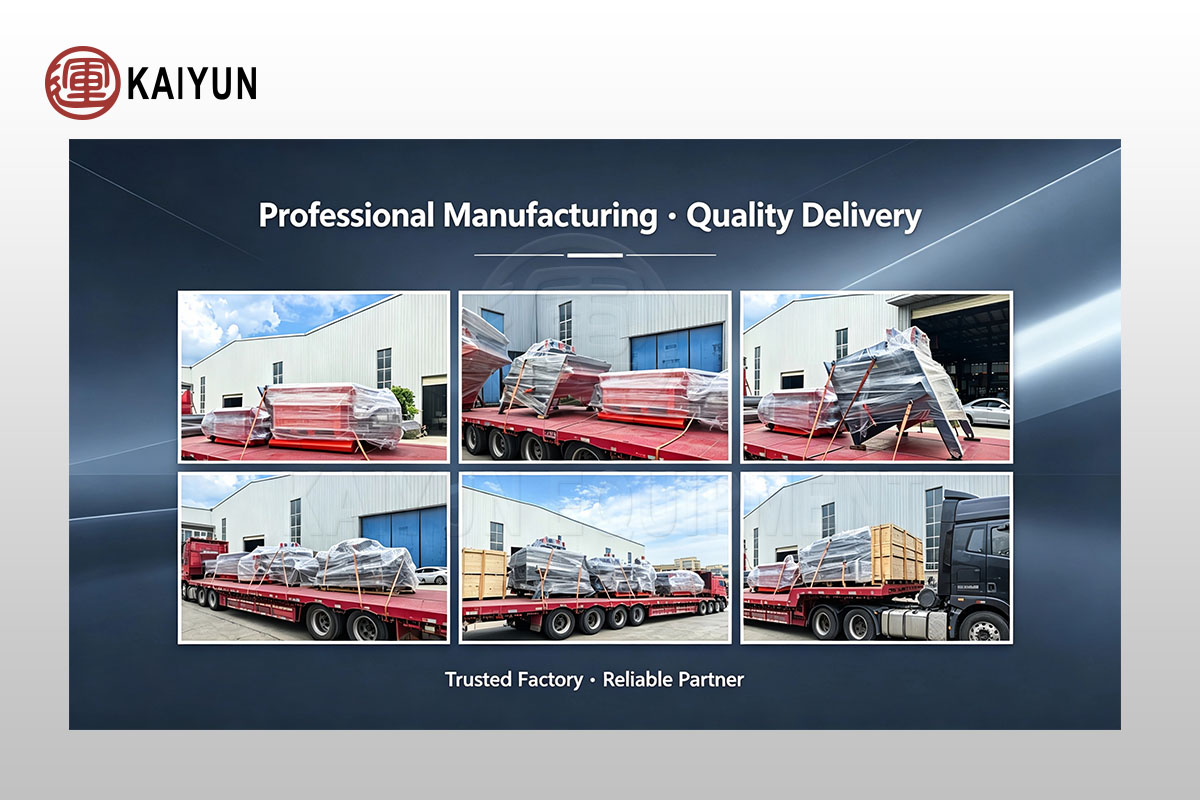
GF1149 Vibrating Feeder & PFW1315 Impact Crusher Successfully Shipped to Peru
Our GF1149 Vibrating Feeder and PFW1315 Impact Crusher are shipped to Peru after strict manufacturing and inspection, supporting global mining and quarry crushing projects.
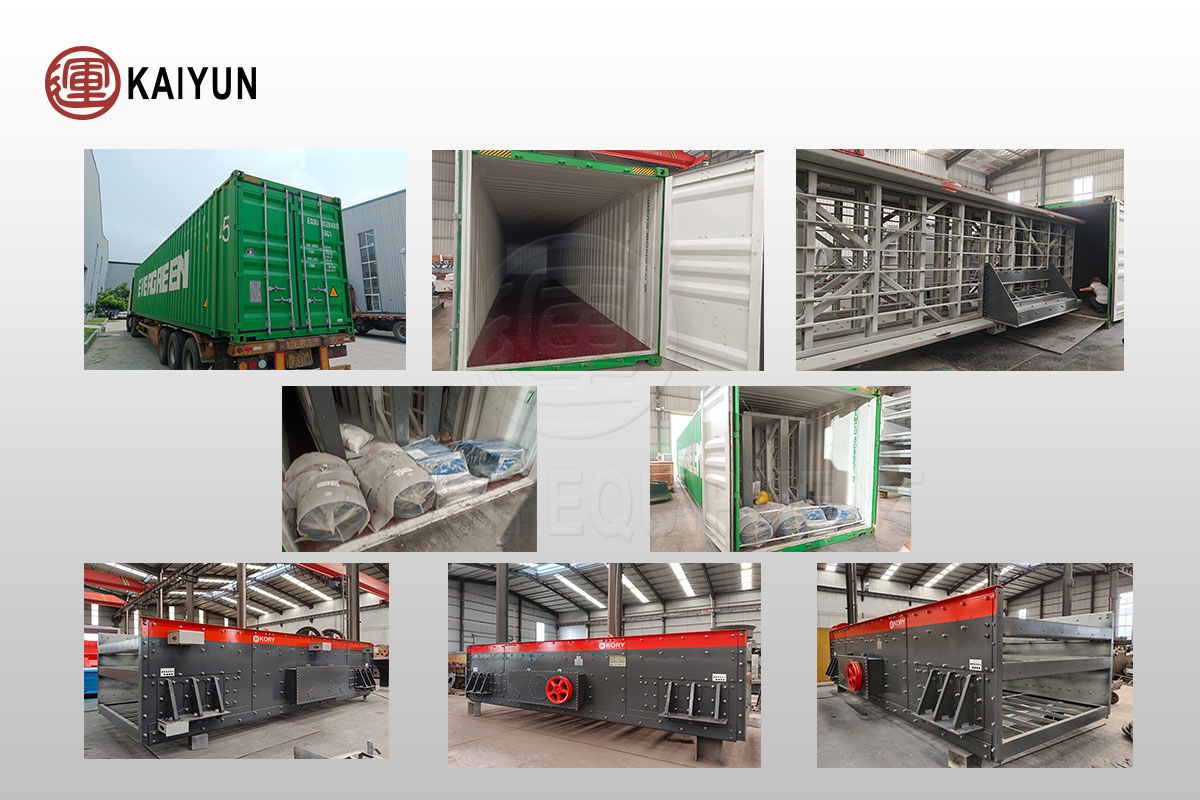
4 Units KY-6203 Three Axis Horizontal Vibrating Screens Ready for Shipment!
Four KY-6203 three-axis horizontal vibrating screens were successfully shipped from Henan Kaiyun Intelligent Equipment Co., Ltd. We specialize in providing mining screening equipment, sand and gravel production line equipment, and customized mineral processing solutions.
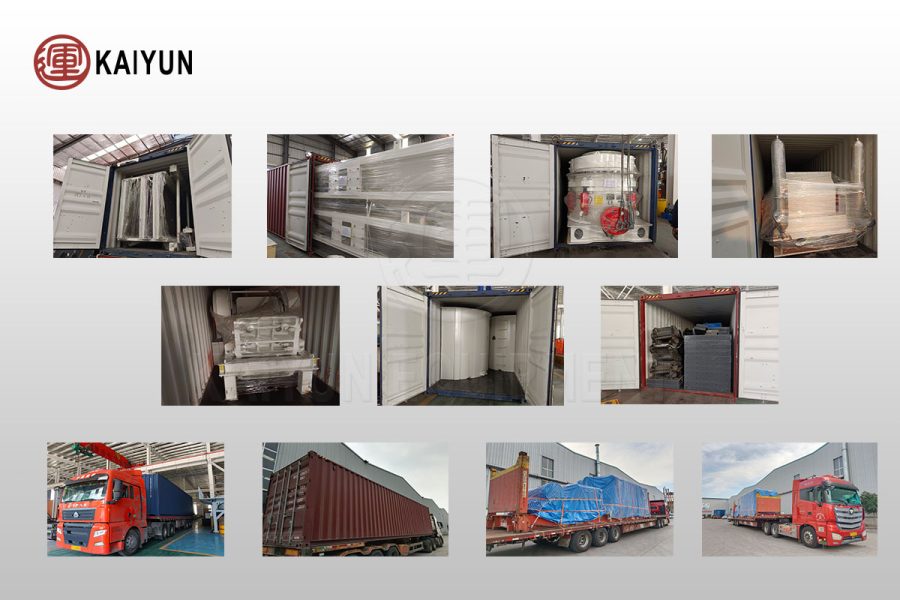
50 TPH Tungsten Ore Crushing & Beneficiation Plant Successfully Shipped to Brazil
50 TPH tungsten ore crushing plant shipped to Brazil. We provide customized mineral processing equipment, complete beneficiation plants, export packaging, and EPC mining solutions.
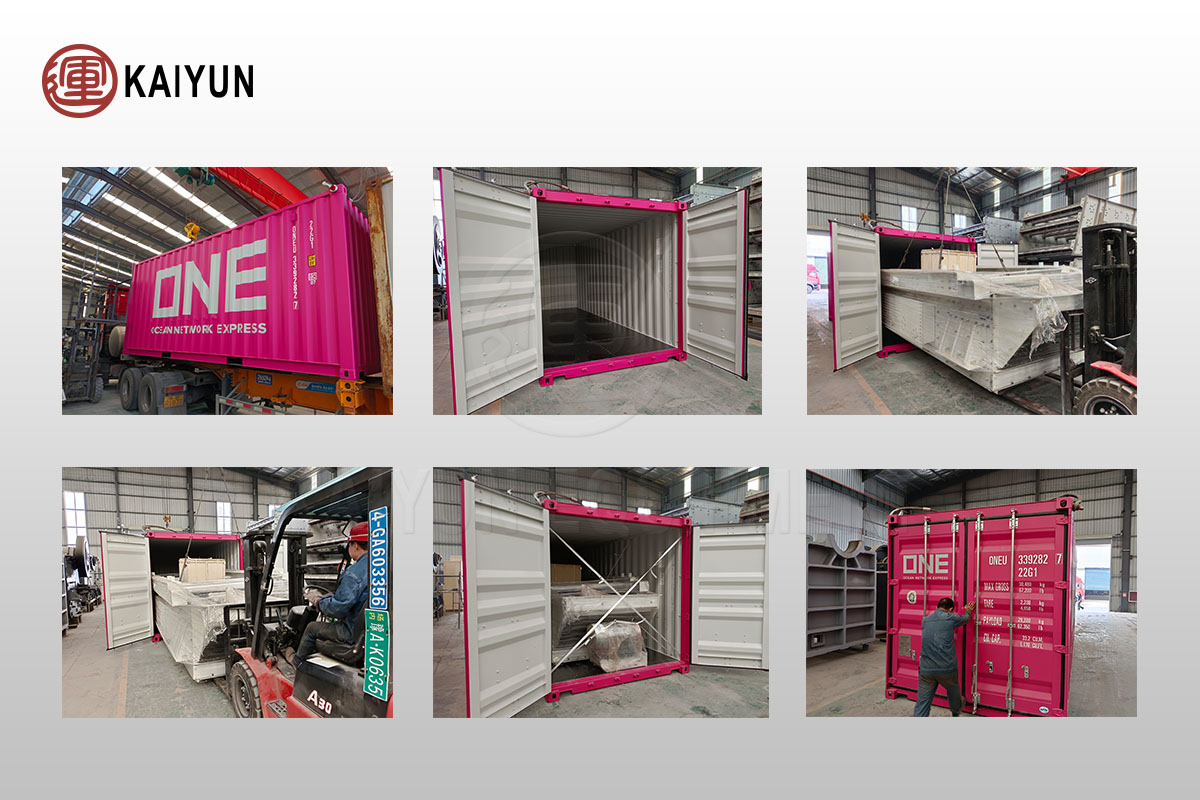
1548 Horizontal Vibrating Screen Shipped to Mexico! 🇲🇽
Henan Kaiyun successfully shipped a 1548 horizontal vibrating screen to Mexico, offering high capacity, stable operation, durable structure, and customized screening solutions for global customers.
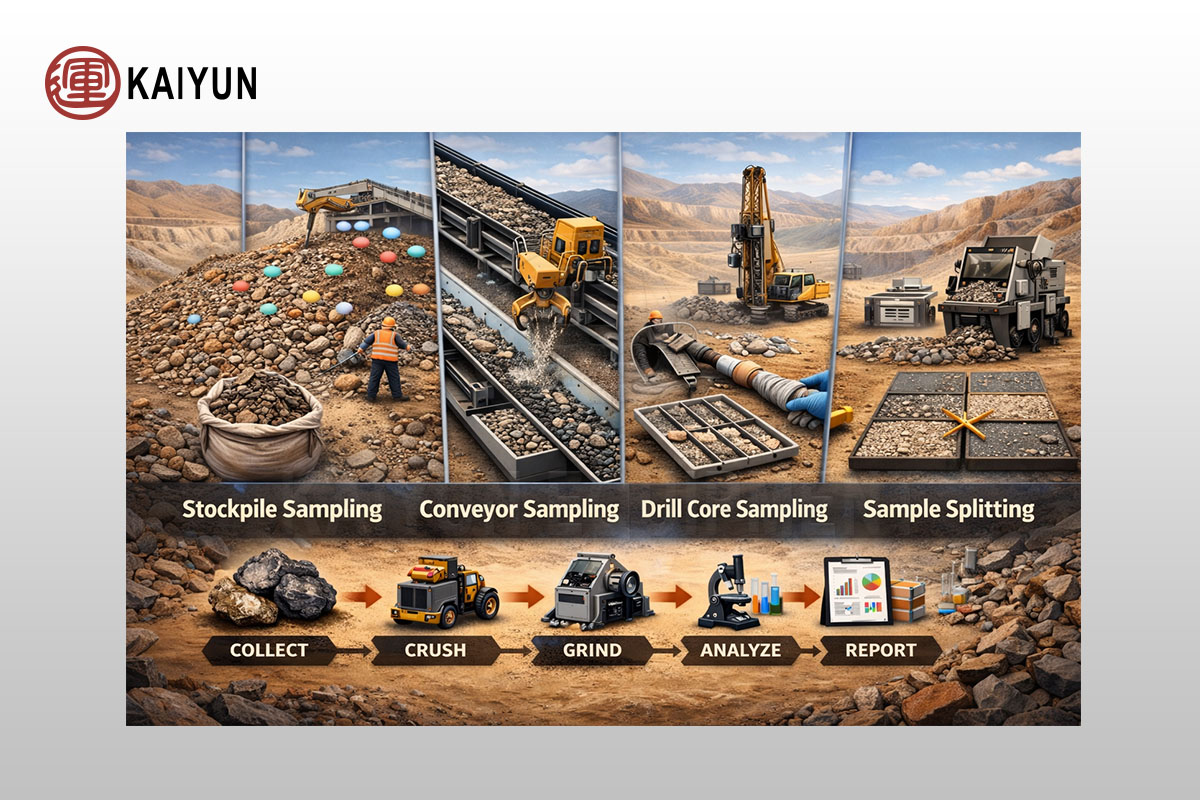
How to Properly Sample Ore for Accurate Mineral Processing
Ore sampling methods for mineral processing, including stockpile sampling, conveyor sampling, and drill core sampling. Improve mineral assay accuracy and processing efficiency.
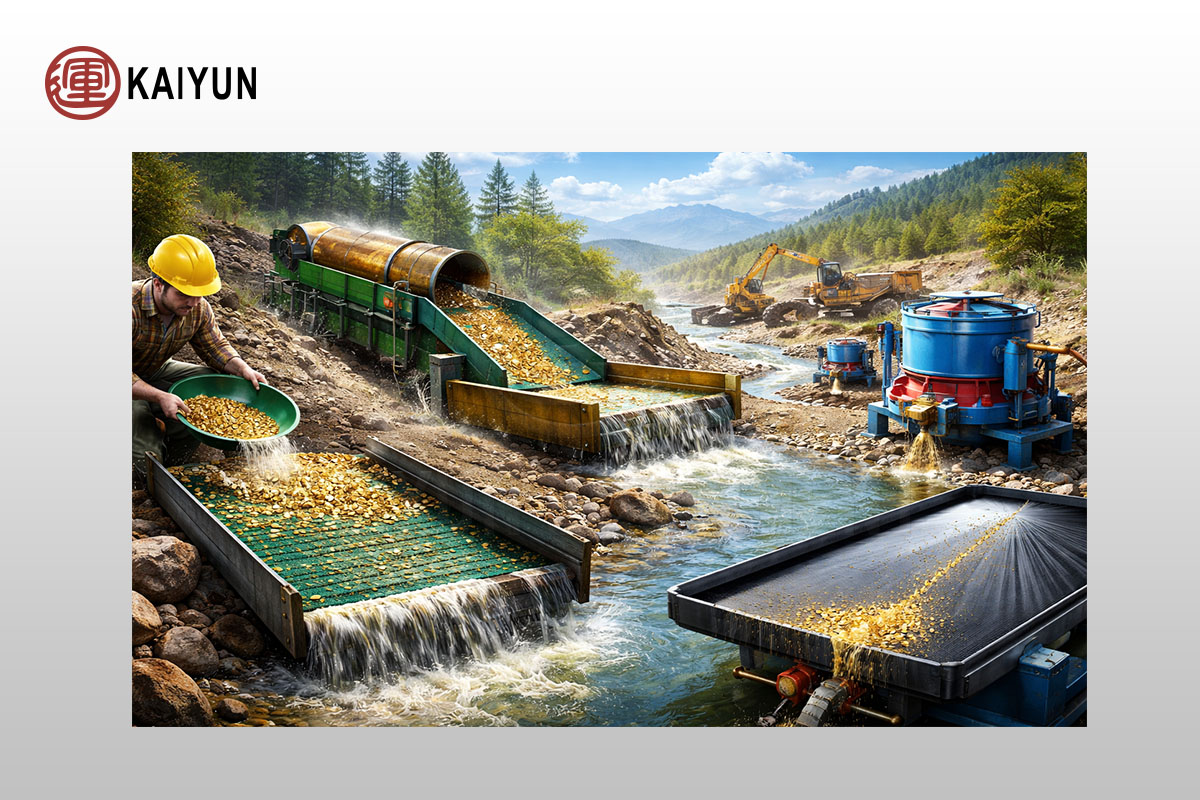
How Placer Gold Forms & How to Recover It Efficiently
We will design a high-efficiency, high-recovery solution for your project. Maximize your gold recovery. Minimize your losses.
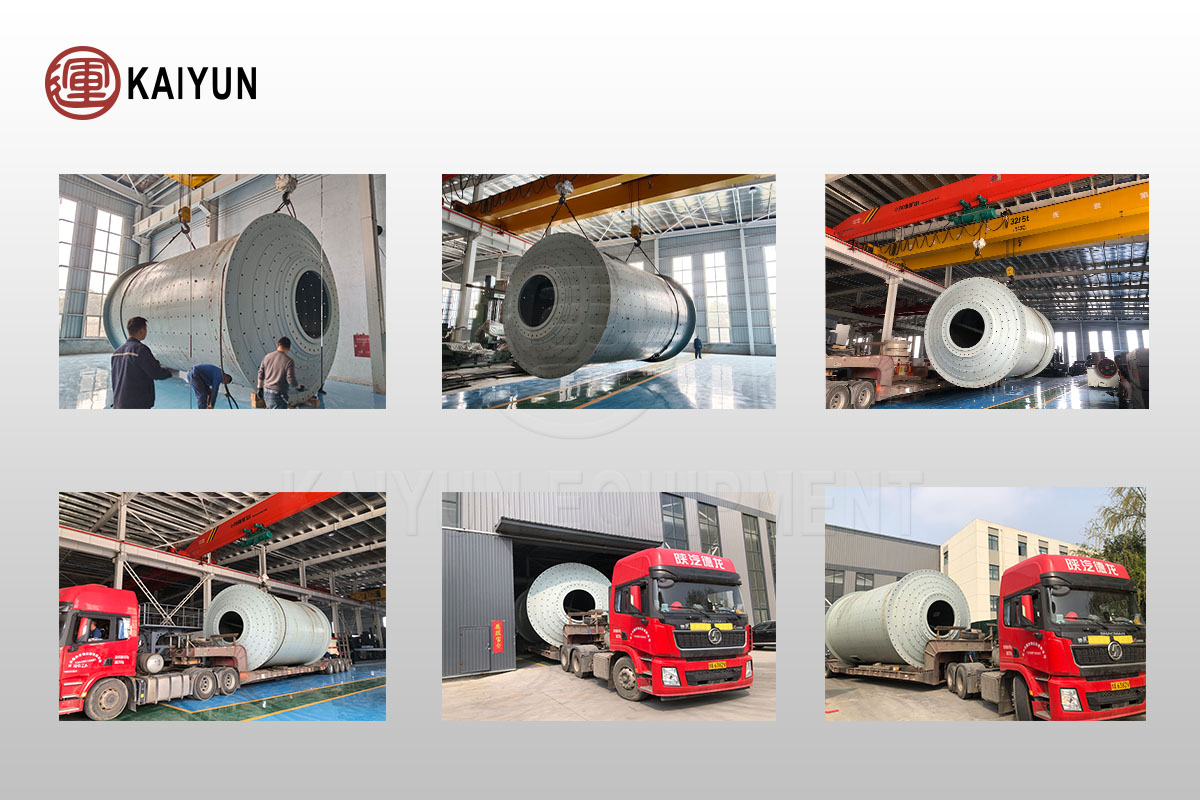
Ball Mill Shipment Ready – Ensuring Efficient Grinding Performance
Our high-performance ball mill has been successfully prepared for shipment. Designed for durability and efficiency, this equipment plays a critical role in mineral processing, ensuring optimal grinding results for various ores.
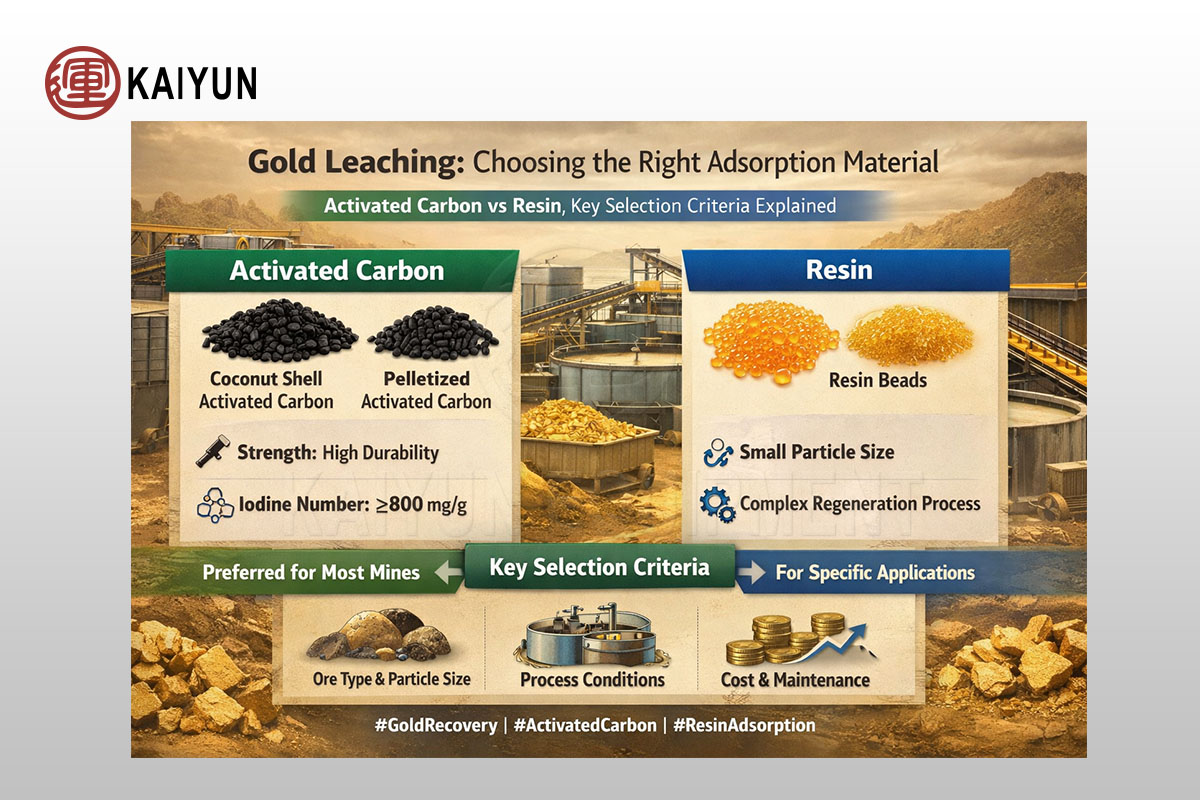
How to Choose Adsorbents for Gold Ore Leaching? Activated Carbon vs. Resin
Learn how to choose the right adsorption material for gold leaching. Compare activated carbon and resin based on strength, iodine value, particle size, and regeneration process to maximize gold recovery and efficiency.
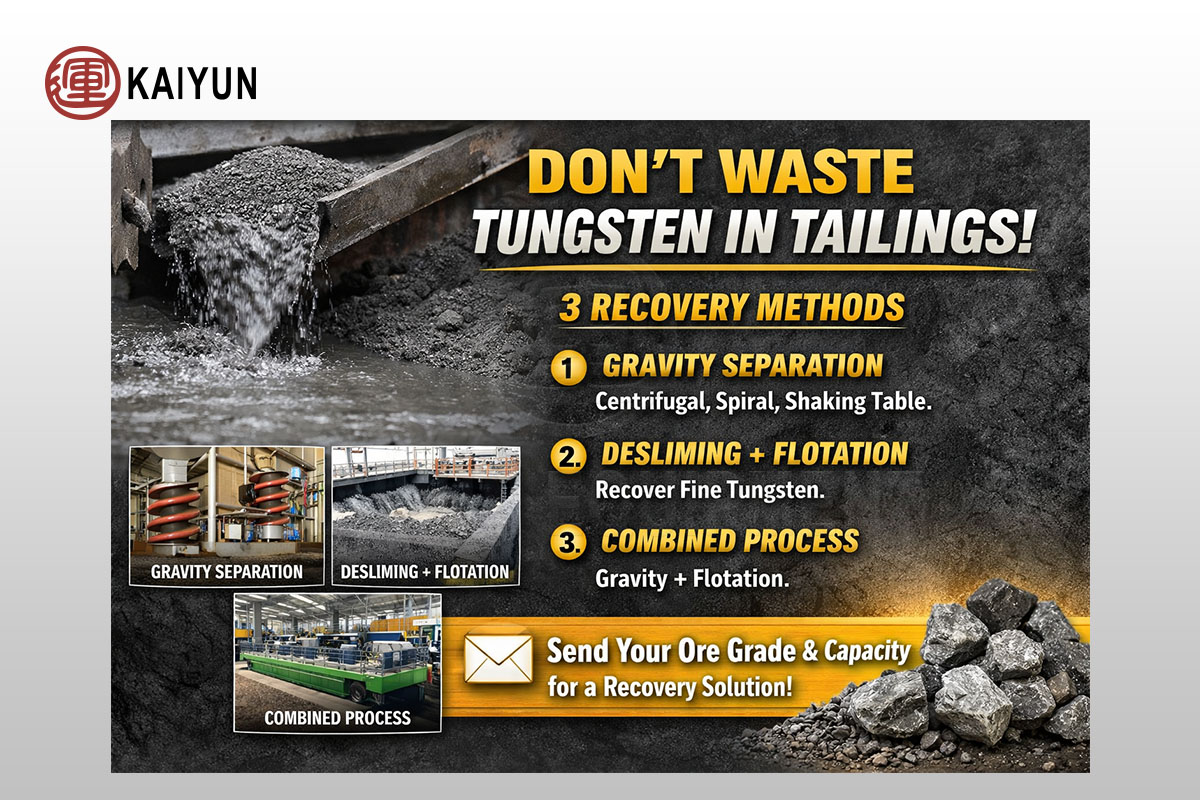
Can tungsten in flotation tailings be recovered? 3 mainstream methods to turn tailings into new profits!
Can tungsten be recovered from flotation tailings? Discover 3 effective methods including gravity separation, desliming, and combined processes to maximize recovery and turn tailings into profit.